
Choosing an accessible bathroom is a big decision. This guide explains the key differences between walk-in baths, walk-in showers, level access showers, wet rooms and bath lifts, so you can make a calm, confident choice for yourself or someone you love.
No pressure, no jargon — just clear guidance on what will work best in your home.
Understand the features that make bathing easier without making your bathroom feel clinical.
A warmer, more personal approach from first conversation to finished installation.
Start here
A good mobility bathroom should make everyday life feel safer, calmer and more dignified.
Some people want to keep the pleasure of a warm, relaxing bath. Others need the speed and openness of a shower, the wheelchair access of a wet room, or a practical bath lift that works with their existing bathroom. The best choice depends on your mobility, your space, your support needs and how you want to use your bathroom in the years ahead.
Consider current needs and likely future mobility changes
Think about standing, sitting, transferring, turning space and carer access
Choose safety features that are positioned around the person using them
Balance easy access with comfort, cleaning, installation and long-term value
At Victoria Mobility, we believe the buying process should feel reassuring, not overwhelming. This page is designed to help you compare your options before you invite anyone into your home.
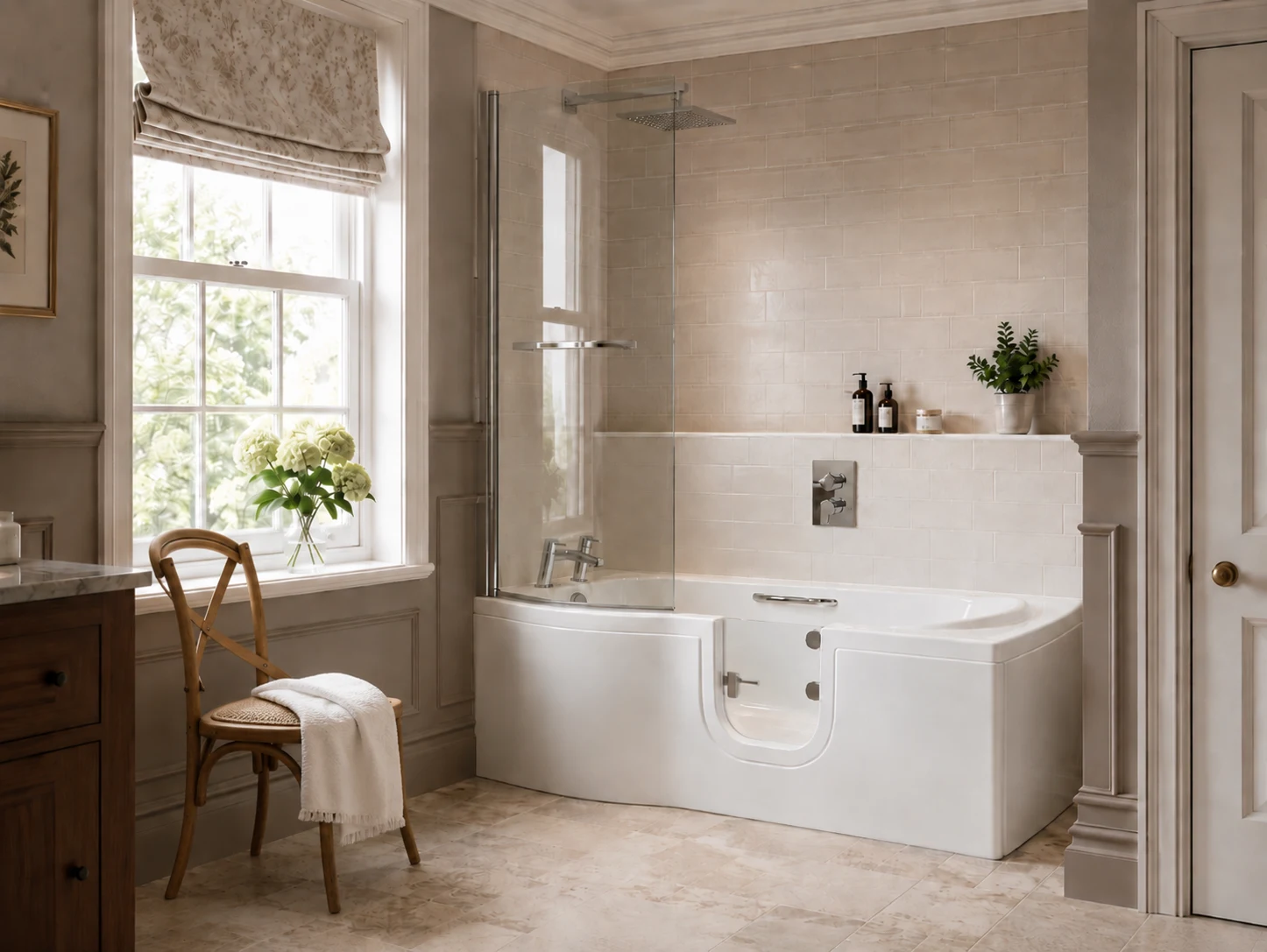
Low access, anti-slip surfaces, thermostatic controls, rails and seating can all reduce everyday risk.
The right layout can help people bathe privately for longer and remain more confident at home.
Compact baths, bath-replacement showers and wet rooms can all work in different bathroom footprints.
Luxury finishes, spa options and thoughtful details help make accessible bathing feel enjoyable again.
Compare your options
There is no single best answer for everyone. A walk-in bath is ideal for people who still love to soak. A walk-in shower is often faster and easier day to day. A wet room gives the most open access, while a bath lift can be a practical choice when you want support using an existing bath.
Best for people who want the warmth, comfort and privacy of bathing with easier step-in access.
Best for people who prefer quicker washing, easier entry and a showering space the whole household can use.
Best where open access, wheelchair manoeuvrability or carer support is especially important.
Best when the existing bath is still suitable but getting down into, and back out of, the water is difficult.
Safety features explained
Safety is not about adding as many aids as possible. It is about choosing the right features, placing them properly and ensuring the bathroom still feels comfortable, attractive and easy to use every day.
Reduces the need to step over a high bath side or raised shower tray.
Improves confidence underfoot in a wet environment, especially when turning or transferring.
Helps maintain a steady water temperature and reduces the risk of sudden temperature changes.
Should be placed where the user naturally needs support, not simply where they look neat.
Useful where standing is tiring, balance is reduced or lowering into a bath is difficult.
Allow easier step-in access while keeping the comfort and privacy of a proper bath.
Can make assisted showering easier by giving a carer access while helping contain splashes.
Single-lever taps and simple shower controls can help people with reduced grip, arthritis or dementia.
Important for walk-in baths because the user usually remains seated while the water drains.
Can reduce grout, mould and maintenance compared with traditional tiled shower walls.
Space and layout
Most UK bathrooms are not especially large, but that does not mean your options are limited.
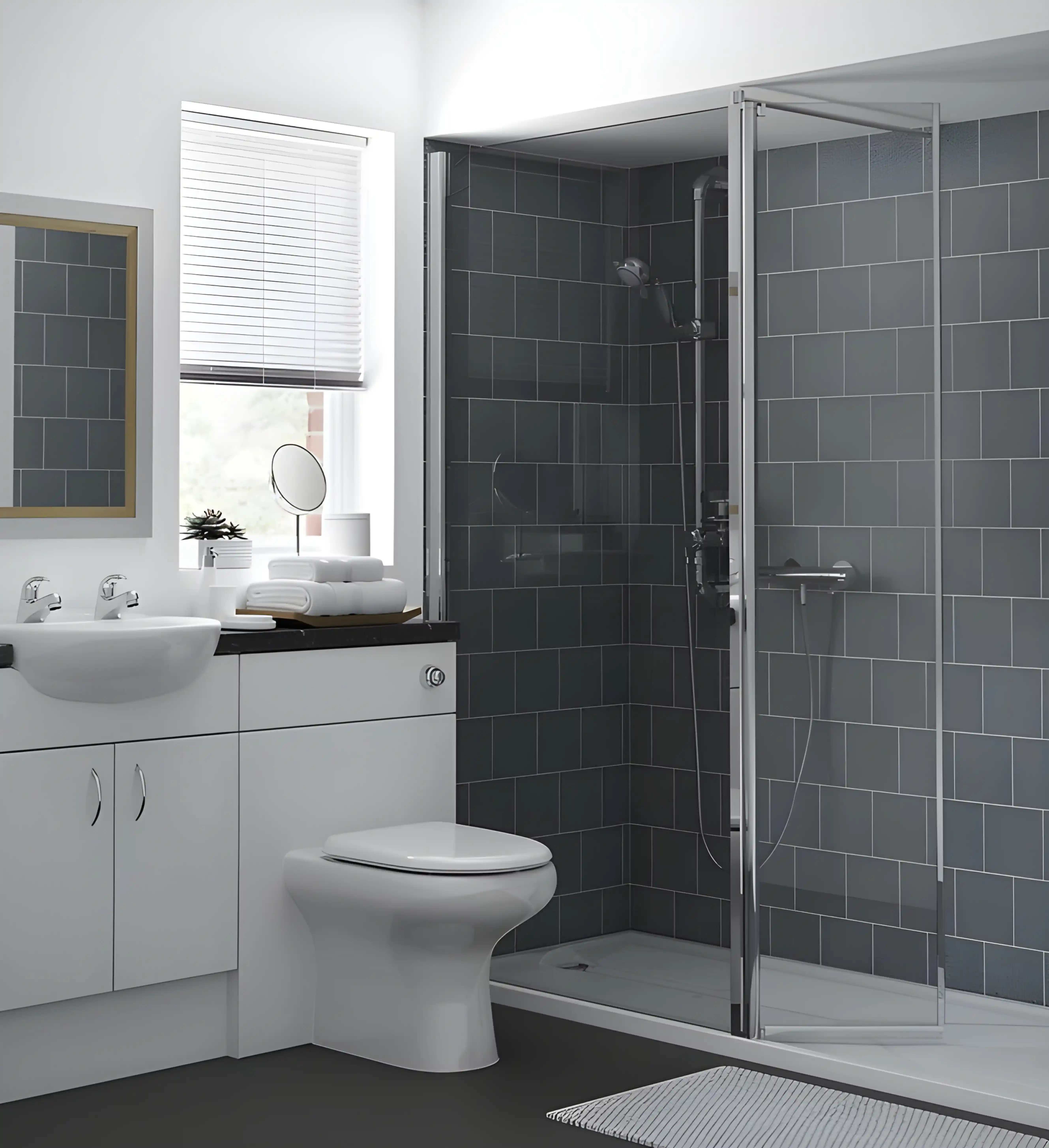
A compact walk-in bath can suit smaller rooms while still allowing a seated soak. A full-length walk-in bath gives a more traditional bathing experience where space allows. A walk-in shower can often be designed within the footprint of an existing bath, while a wet room can make a small or awkward room feel more open when waterproofing and drainage are planned properly.
Measure the room, doorway, existing bath or shower area and available turning space
Check whether inward or outward opening bath doors are more suitable
Consider drainage, floor levels, plumbing, electrics and heating before choosing
Think about storage, cleaning, lighting, ventilation and towel rail placement too
Speak to our team
0800 138 8208Before you decide
From wall panels and screens to rails, seats, taps, lighting and finishing touches, the small details make a huge difference. Our aim is to create a bathroom that feels safe, elegant and personal to you.
Costs and value
A quality mobility bathroom is a made-to-fit home improvement, so the final price depends on the product, the room, the installation work and the options you choose. A cheaper quote is not always better if it compromises safety, waterproofing, aftercare or finish.
A bath lift, compact bath, full-length bath, walk-in shower and fully tanked wet room all involve different work.
Drainage, flooring, plumbing, electrics, walls and making good can all change the scope.
Air spa, chromotherapy, powered seats, faster drainage, extra screens and premium finishes can affect cost.
Look beyond the initial price and ask what support you receive if anything needs attention later.
The most useful quote is one that explains exactly what is included: design, supply, installation, waste removal, wall finish, flooring, plumbing, electrics, heating, warranty and aftercare.
Special considerations
The best bathroom is one that supports the person’s real daily routine. That may mean reducing joint strain, simplifying controls, allowing more room for a carer, or choosing a design that can adapt if needs change.
Consider seated options, easy-grip controls, low entry, grab rails and warm bathing if a soak helps muscles and joints feel more comfortable.
Simple controls, good lighting, familiar routines, uncluttered layouts and carefully chosen support can make washing feel less stressful.
Half-height shower doors, wet room layouts and shower chairs can make assisted washing easier, safer and more dignified.
Future-proofing does not mean over-medicalising the room. It means choosing a beautiful bathroom that can support changing needs over time.
Buyer’s guide FAQs
These are the questions many customers and family members ask when they first begin comparing mobility bathrooms.
A walk-in bath is usually better if you want to keep soaking in warm water. A walk-in shower is usually better if you want quicker, easier washing with less waiting. The right choice depends on mobility, space, transfers, carer support and personal preference.
In many cases, yes. A walk-in shower can often be designed within the footprint of an existing bath, although pipework, drainage, walls, flooring and room layout must be checked first.
Often, yes. A wet room can make a small bathroom feel more open, but it needs proper waterproofing, drainage and floor planning. A survey will confirm whether it is the best option.
Low or level access, slip-resistant surfaces, thermostatic controls, correctly positioned grab rails, seating and simple controls are among the most useful safety features. The exact combination should be tailored to the person using the bathroom.
No. Modern accessible bathrooms can look elegant, warm and premium. Wall panels, glass, colours, lighting, storage and carefully chosen support features can all be designed to complement your home.
It depends on the product and the work required. A simple replacement can be quicker, while a wet room, drainage changes, tiling or more complex installation will take longer. We give clearer guidance after a proper home survey.
Yes. Many enquiries come from sons, daughters and relatives. We can talk through the options sensitively, explain the pros and cons and help the whole family feel confident about the decision.